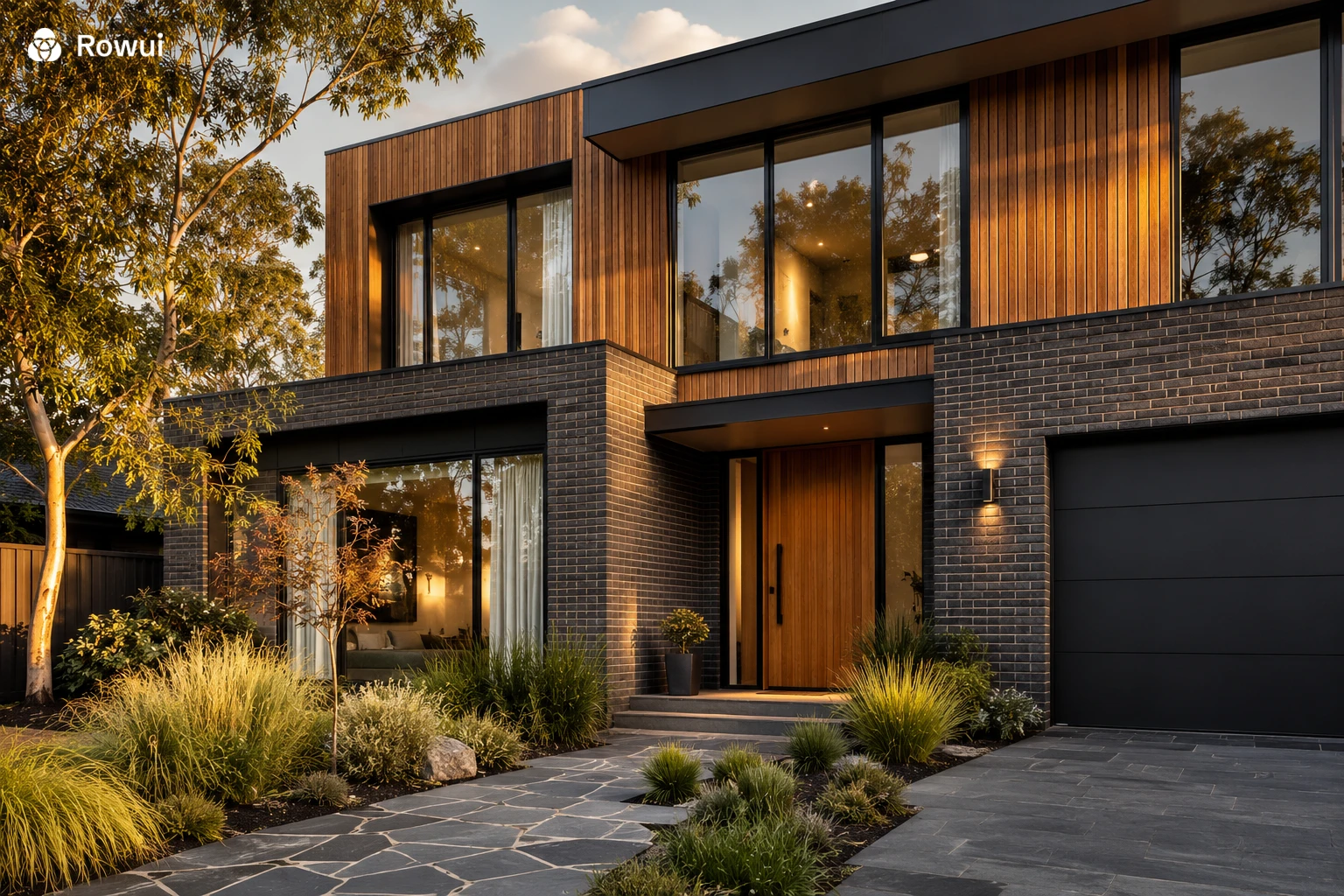
Windows do more work than most homeowners give them credit for. They shape how light moves through your rooms, how private or open your home feels, and how the entire facade reads from the street. If you have ever walked past a house and felt instantly drawn to it without knowing why, there is a good chance the windows had something to do with it. This guide walks through the window ideas that define modern homes today, why they work, and how you can bring the same thinking into your own renovation or new build.
Why Window Design Matters More Than People Think
A window is never just a hole in a wall. Its size, placement, and proportion set the rhythm of a facade the same way spacing sets the rhythm of a sentence. Get it right and a house feels calm and confident. Get it wrong, with mismatched sizes scattered without logic, and even an expensive home can look unresolved. Inside, windows control the quality of daylight, the sense of connection to the garden or street, and how private each room feels from neighbours or passersby.
Popular Modern Window Styles
Floor to Ceiling Glazing
Full height glass panels, often paired with slim black or bronze aluminium frames, are one of the clearest signals of a modern home. They erase the boundary between indoor and outdoor space, which is especially powerful in living rooms that open onto a deck, courtyard, or garden. The tradeoff is privacy and heat gain, so pairing them with deep roof overhangs, external screens, or strategic planting is essential rather than optional.
Corner Windows
Removing the corner post and wrapping glass around the edge of a room creates a dramatic, almost floating effect and gives two directions of view and light from a single opening. This detail requires careful structural planning, since the corner usually carries roof load, but it is one of the most striking features you can add to a modern extension or new build.
Fixed Picture Windows
A large, non opening pane of glass framed simply and positioned to capture a specific view, whether that is a tree, a hillside, or a quiet garden corner, works like a piece of art on the wall. Because there is no operable hardware, the frame can be thinner, which keeps the composition clean and uninterrupted.
Vertical Slot Windows
Narrow, tall windows placed singly or in a rhythmic row bring in soft directional light without exposing the interior. They work particularly well on side elevations facing a neighbour, along staircases, or flanking an entry door where full privacy still matters.
Choosing the Right Frame Material and Colour
Aluminium frames remain the most common choice for modern homes because they allow slim profiles and hold their shape over large spans. Black or dark bronze frames give strong definition against a light render or timber facade, while frames matched closely to the wall colour create a quieter, more minimal look where the glass itself becomes the feature. Timber framed windows bring warmth and are often used on entry facing elevations where a softer, more tactile material feels appropriate, though they require more maintenance than aluminium or uPVC.
Balancing Glass with Privacy and Energy Performance
Layering Privacy Without Losing Light
Full transparency is not always the goal, especially for bedrooms and bathrooms facing the street. Frosted or fluted glass, high level clerestory windows, and internal courtyards let light in while keeping sightlines blocked. Sheer curtains or linen blinds are a simple retrofit solution that softens a room without closing it off completely.
Managing Heat and Glare
Large glazing needs a strategy for sun control, particularly on west and north facing walls in warmer climates. Deep eaves, external louvres, pergolas with climbing vines, or simple retractable awnings all reduce unwanted heat while keeping the view intact. Double or triple glazing with a low emissivity coating is worth the investment on any large window, both for comfort and for keeping energy bills predictable.
Window Placement and Proportion Tips
A useful rule of thumb is to let window size follow the importance of the room behind it. Living areas and main bedrooms can carry larger openings, while bathrooms, laundries, and stairwells suit smaller or narrower windows. Keeping a consistent head height across the facade, even when widths vary, gives the whole composition a sense of order. Grouping smaller windows into a single band, rather than scattering them at different heights, also reads as far more deliberate and considered from the street.
Conclusion
Good window design is really about intention. Every opening should answer a clear question about light, view, or privacy, and the frame, size, and placement should follow from that answer rather than trend alone. Whether you are planning a full rebuild or simply replacing a few tired windows, start by asking what each room actually needs, then let the glass do the rest. That single habit of thinking will carry your home from ordinary to genuinely well designed.