Your home's facade is the first thing the world sees, and for many homeowners, it's also the last thing they get around to improving. Whether your exterior looks tired, dated, or simply never matched the vision you had when you moved in, a facade renovation can completely transform how your home looks, feels, and even performs. But the question that stops most people before they even get started is the same one: how much is this actually going to cost? The honest answer is that it depends on more factors than most renovation guides admit. This article breaks down the real costs involved, what drives those numbers up or down, and how to make smart decisions that give you lasting value without unnecessary expense.
Why Facade Renovations Are Worth Taking Seriously
A facade renovation is not purely cosmetic. The exterior envelope of your home protects everything inside from weather, moisture, temperature fluctuations, and structural movement. When you invest in updating the facade, you are often simultaneously improving insulation, waterproofing, and the long term durability of the building. Curb appeal matters too, and studies consistently show that a well executed exterior renovation can add between five and fifteen percent to a home's market value depending on location and quality of work.
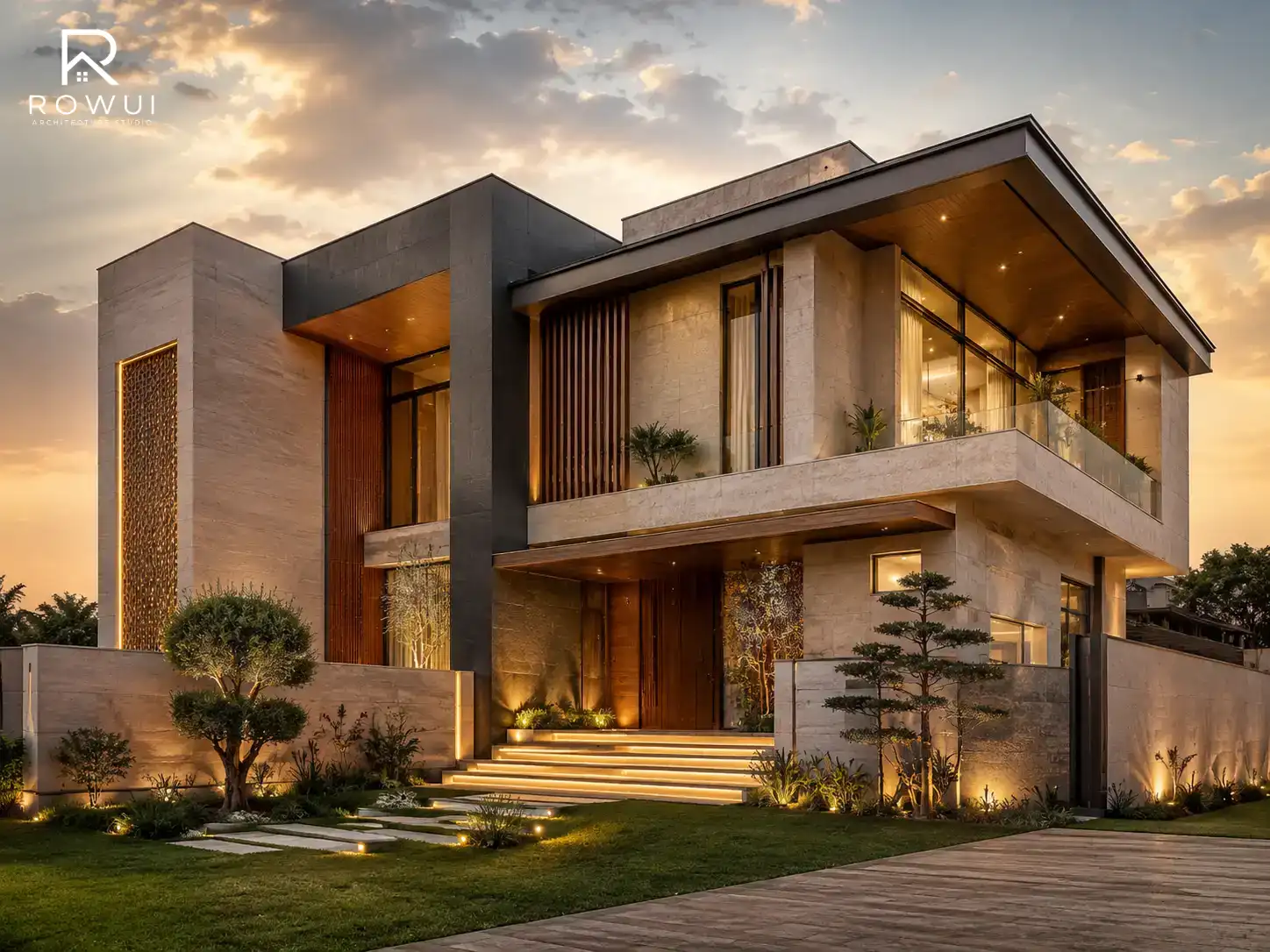
Modern facade renovations have also evolved well beyond a coat of paint. Today's options include cladding systems, render finishes, mixed material treatments, new window and door configurations, architectural lighting, and landscaping integration. Understanding what each of these elements costs individually, and how they interact as a total scope of work, helps you plan realistically rather than getting caught off guard halfway through a project.
The Main Factors That Determine Your Total Cost
No two facade renovations cost the same because no two homes are the same. Before any contractor gives you a meaningful quote, they will be assessing a combination of variables that together define the scope and complexity of your project.
Size and Height of the Facade
The most straightforward cost driver is the total surface area being treated. A single storey home with a simple rectangular front facade requires far less material and labour than a double storey home with complex angles, bay windows, and multiple material zones. Scaffold or elevated access equipment adds meaningful cost the moment work begins above ground level, and that cost rises with each additional storey. Expect scaffolding alone to add anywhere from one thousand to four thousand dollars or pounds depending on the size of the structure and local hire rates.
Existing Condition of the Exterior
A facade that is structurally sound but visually outdated costs significantly less to renovate than one with cracked render, water damage, failing flashings, or rotted timber elements. Remediation work always needs to happen before any cosmetic finish is applied, and the cost of stripping back deteriorated materials, repairing masonry, replacing damaged framing, or treating damp can easily double the budget if it was not factored in from the start. A thorough inspection before committing to a design is not optional; it is essential.
Material Choices
This is where the range becomes enormous. Basic painted render on a prepared surface might cost twenty to forty dollars per square metre in materials and labour combined, while premium fibre cement panel cladding systems start around seventy and can reach one hundred and fifty or more for architectural grade products. Natural stone or brick slips sit at the higher end, often exceeding two hundred dollars per square metre when properly installed. Timber cladding occupies an interesting middle ground: responsibly sourced hardwood like spotted gum or accoya offers beautiful warmth and longevity, typically landing between eighty and one hundred and thirty dollars per square metre depending on profile and finish.
Windows and Doors
Many homeowners underestimate how significantly windows and doors contribute to facade renovation costs, and how dramatically replacing or reconfiguring them changes the entire appearance of the home. A standard double glazed aluminium framed window might cost eight hundred to fifteen hundred dollars supplied and installed, while thermally broken frames in black powder coat or brushed steel finishes used in contemporary architecture range from two thousand upwards per unit. If your renovation involves enlarging window openings, adding a new entry void, or installing large format glazing, structural work including new lintels or beams needs to be factored in, adding thousands to the total.
Architectural Features and Detailing
Canopies, louvres, fins, blade walls, custom entry features, and integrated planters are the elements that elevate a renovation from a refresh to a genuine architectural statement. They are also the elements that require skilled trades, often involve custom fabrication, and carry costs that reflect that expertise. A powder coated steel canopy over a front entry might cost three to six thousand dollars. A full width louvre screen in aluminium could reach fifteen thousand or more depending on size and motorisation. These are not frivolous additions; they provide shade, control privacy, frame views, and dramatically improve the proportional quality of the facade. But they need to be budgeted deliberately rather than added as an afterthought.
Typical Cost Ranges for Different Renovation Scopes
Understanding the real cost means thinking in terms of what you are actually trying to achieve. The following ranges reflect typical market rates in Australia, the UK, and comparable Western markets, and assume competent trades working on an average suburban home of one hundred and fifty to two hundred square metres of floor area.
Cosmetic Refresh: $8,000 to $20,000
At this level you are working with the existing structure and simply changing the surface appearance. This typically covers a full exterior repaint using quality paint systems, replacement of front entry door and hardware, new exterior light fittings, updated house numbers, and some basic garden tidying or mulching at the front boundary. The impact can be significant if the underlying bones of the home are already reasonable. Choosing the right colour palette is critical here. Deep charcoal or off white bases with contrasting trim in warm white, terracotta, or soft sage have become signature modern exterior combinations that read as deliberate and current without dating quickly.
Mid Range Renovation: $25,000 to $65,000
This is where most meaningful transformations happen. A mid range budget allows for feature cladding applied to one or two elevations, new windows at the front facade, a redesigned entry including a new door, pathway, lighting and perhaps a small canopy or pergola structure, and a rendered finish on remaining walls. At this level you can meaningfully change the architectural character of the home. A 1970s brick veneer that looks tired and disconnected can be given a contemporary identity through the addition of vertical timber battens across the garage wall, a new low profile rendered fence at the boundary, and a bold painted finish on the brickwork in a carefully chosen tone like deep green, slate blue, or warm black.
Full Facade Overhaul: $70,000 to $150,000 and Beyond
At the upper end of the spectrum, a comprehensive facade renovation might involve recladding the entire exterior in a new material system, reconfiguring window and door openings, adding significant architectural elements, integrating new landscaping including walls, paving, and planting, upgrading gutters, downpipes, and flashings, and potentially addressing roof lines or adding a new entry canopy at a meaningful scale. These projects are effectively mini construction jobs and require an architect or building designer to manage documentation, approvals, and contractor coordination. The investment is substantial but the result is a home that has been fundamentally reimagined rather than simply tidied up.
The Hidden Costs Most Budgets Miss
Experience with renovation projects consistently reveals the same pattern: homeowners budget for what they can see and forget what sits behind it. There are several categories of cost that routinely surprise people who have not been through this process before.
Planning Approvals and Permits
Depending on your council or local authority and the nature of the work, some facade changes require development approval or building permits even if you are not altering the structure of the building. Changes to heritage listed properties or those in designated character precincts carry additional requirements and potentially longer approval timelines. Budget between five hundred and three thousand dollars for permit fees, and allow additional time in your project schedule for the approval process.
Waterproofing and Insulation Upgrades
If you are applying new cladding over existing walls, the opportunity to upgrade wall insulation and address any gaps in waterproofing membranes should not be missed. Doing this work after cladding is fixed is extremely expensive; doing it during the renovation adds relatively little to the overall cost. Adding bulk insulation batts behind new cladding, or applying a quality waterproofing membrane to a rendered wall before the finish coat, adds between fifteen and thirty dollars per square metre but can meaningfully improve thermal comfort and reduce ongoing energy costs.
Lighting Infrastructure
Architectural exterior lighting is one of the highest return investments in facade design, creating drama and presence at night while improving security and wayfinding. But to do it well, conduit and cabling need to be installed before finishes are applied. Retrofitting lighting after cladding or render is complete is messy, expensive, and often results in compromised outcomes. Budget for electrical rough in as part of the facade scope, even if the fixture selections come later.
Landscape and Boundary Treatments
A beautifully renovated facade sitting behind a neglected front garden or dated brick fence loses much of its impact. Landscaping the front zone, including new paving, a boundary fence or planting hedge, a defined pathway, and a curated planting scheme, costs between five thousand and twenty five thousand dollars depending on site size and chosen materials. This is not where corners should be cut if the goal is a genuinely transformed street presence.
How to Get the Most Value from Your Renovation Budget
Smart facade renovations are not about spending as much as possible; they are about spending in the right places. Several principles consistently separate successful outcomes from disappointing ones.
Start with a Design Before Talking to Contractors
Engaging an architect or building designer for even a small fee to develop a facade concept gives you something concrete to price and build toward. Without a design, contractors quote different scopes, materials, and approaches, making it impossible to compare quotes fairly. A good concept drawing also forces you to make decisions about proportions, material zones, colours, and key elements before construction begins, where changes are made on paper rather than on site at considerable cost.
Prioritise What is Seen First
Not every wall of your home needs equal investment. The street facing elevation and the entry sequence deserve the most thoughtful and generous treatment. Side walls and less visible elevations can often be handled with simpler, more economical finishes without compromising the overall result. Concentrating your feature cladding, architectural detailing, and landscaping budget on the primary facade creates maximum impact for the investment made.
Choose Materials for Longevity, Not Just Appearance
The cheapest material upfront is rarely the most economical choice over time. Low grade render can crack within a few years, requiring expensive remediation. Untreated timber cladding without appropriate detailing will deteriorate rapidly in exposed conditions. Investing slightly more in fibre cement panels with a factory applied finish, or hardwood cladding that has been properly primed and coated, pays back through lower maintenance costs and longer intervals between repaints. Ask suppliers and contractors directly about expected maintenance cycles before committing to any material.
Consider the Effect of Colour on Perceived Scale
Colour is one of the most powerful and least expensive tools in facade design. Dark colours on wall surfaces tend to recede visually, making a home feel more grounded and intentional. Light colours expand perceived volume, which works beautifully on narrower or more compact homes. Using a consistent colour across disparate materials like brick, render, and timber creates visual unity that can make a disjointed existing facade read as coherent and considered. Selecting one strong accent colour for the front door, window frames, or a feature wall gives the composition a focal point that anchors the whole design.
Working with Contractors: What to Expect and Ask
Getting the right team is as important as getting the right design. Facade work involves multiple trades including renderers, carpenters, glaziers, electricians, painters, and landscapers, and coordinating them well is what separates projects that run smoothly from those that drag on for months. If you are not engaging an architect to manage this coordination, take on that role yourself with clarity and structure.
When collecting quotes, always provide the same scope document or design drawings to every contractor so you are comparing equivalent proposals. Ask each contractor for examples of completed facade projects similar to yours, and visit at least one in person if possible. Ask specifically about their approach to managing weather delays, protecting existing plantings, and dealing with unexpected conditions once work begins. The most confident and transparent answers often come from the most experienced and trustworthy operators.
Request a detailed breakdown of costs rather than a single lump sum quote. This lets you understand where the money is going, identify areas where you might be able to value engineer without compromising the design intent, and track progress against the budget as the project develops.
Conclusion
A modern house facade renovation can cost anywhere from eight thousand dollars for a thoughtful cosmetic refresh to well over one hundred thousand for a comprehensive transformation involving new cladding, windows, architectural features, and landscaping. The number that matters is not the total spend but what that spend delivers in terms of durability, comfort, visual quality, and long term value. The homeowners who get the best outcomes are the ones who invest in good design before committing to construction, budget honestly for hidden costs, choose materials based on performance as much as aesthetics, and work with skilled trades who understand how all the elements connect. Your home's facade is not just a first impression; it is a daily experience for everyone who lives there and passes by. Treat it as the significant architectural opportunity it genuinely is.