Introduction
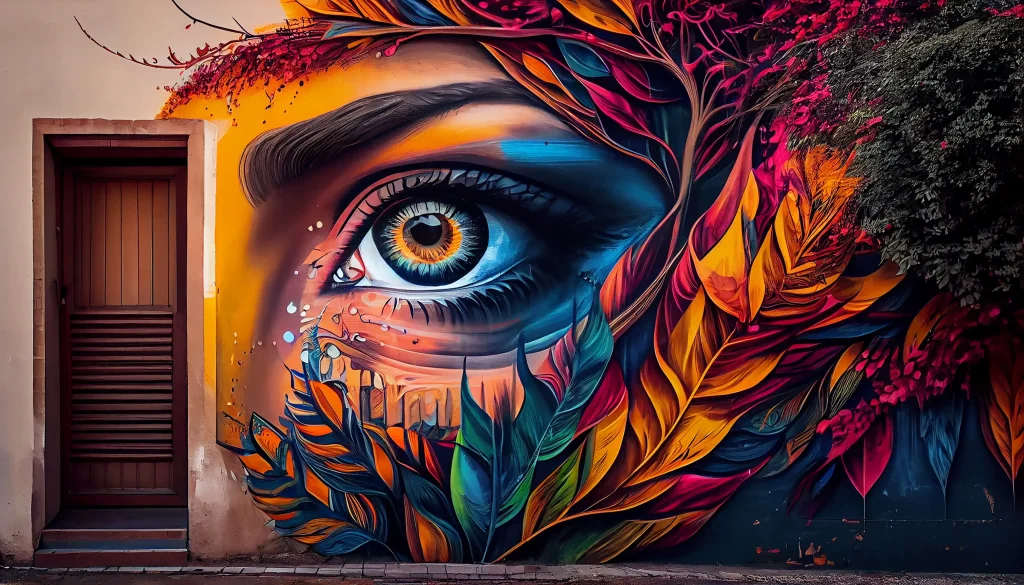
Graphic design continues to evolve rapidly, driven by technological advancements, user expectations, and creative experimentation. In 2025, trends in graphic design focus on bold visuals, immersive experiences, sustainability, and AI-assisted workflows.
This post explores the top 10 graphic design trends for 2025, with practical tips, examples, and best practices to help designers create visually compelling and modern content. Whether you are designing for web, social media, branding, or marketing, understanding these trends is essential to stay competitive.
1. Bold Colors and Gradients
Vibrant colors and gradient combinations are making a strong comeback in 2025, creating eye-catching designs and memorable visuals.
Benefits
- Attracts attention and engages viewers.
- Enhances brand recognition.
- Works well for digital platforms like social media and web.
Practical Tips
- Combine complementary colors to create depth.
- Use gradients subtly in backgrounds or overlays.
- Maintain accessibility by checking contrast ratios.
Example Use Case
A tech brand launching a new product can use a vibrant gradient background for social media ads to make the visuals pop and drive engagement.
2. 3D Elements and Realism
3D graphics and realistic elements are increasingly popular in branding, websites, and product visuals.
Benefits
- Provides immersive and engaging experiences.
- Adds depth and dimension to flat designs.
- Supports interactive interfaces and AR/VR applications.
Practical Tips
- Optimize 3D assets for web and mobile performance.
- Use 3D elements sparingly to avoid overwhelming the design.
- Combine with minimal typography to maintain focus.
Example Use Case
An e-commerce website can showcase products using 3D renderings, allowing users to rotate and view items in detail before purchase.
3. Minimalism with Bold Typography
Minimalist design paired with bold typography continues to dominate, creating clean, readable, and visually striking layouts.
Benefits
- Improves readability and user comprehension.
- Provides strong visual hierarchy.
- Supports mobile-friendly designs.
Practical Tips
- Limit font families for consistency.
- Use bold headings to draw attention to key content.
- Leave ample white space to create balance.
Example Use Case
A startup branding campaign can use bold headlines and minimal layouts for marketing materials, creating a modern and professional look.
4. Animated and Interactive Graphics
Motion design is increasingly integrated into graphic design, creating dynamic and engaging experiences.
Benefits
- Captures audience attention and increases engagement.
- Helps explain complex concepts visually.
- Improves UX in digital interfaces.
Practical Tips
- Use subtle animations for hover effects or transitions.
- Optimize file sizes to maintain performance.
- Ensure animations serve a functional purpose, not just decoration.
Example Use Case
An educational website can use animated infographics to explain statistics, making content more digestible and interactive.
5. AI-Assisted Design
Artificial intelligence is transforming graphic design workflows, automating repetitive tasks and generating creative content.
Benefits
- Speeds up design production.
- Generates multiple variations for testing.
- Enhances creativity by suggesting new ideas.
Practical Tips
- Use AI tools like Adobe Firefly, Canva AI, or MidJourney for quick drafts.
- Refine AI-generated designs manually for originality.
- Combine AI with human creativity to maintain a unique style.
Example Use Case
A designer creating social media visuals can use AI to generate several concept variations quickly and choose the best fit for the campaign.
6. Sustainability in Design
Eco-friendly and sustainable design practices are becoming more important in graphic design.
Benefits
- Reduces digital carbon footprint.
- Improves brand reputation.
- Encourages inclusive and ethical design practices.
Practical Tips
- Optimize images and assets for web to reduce energy consumption.
- Use vector graphics where possible for scalability.
- Design for accessibility and inclusivity.
Example Use Case
A corporate website can use optimized SVG icons and compressed images to reduce load times and energy usage, supporting sustainable design practices.
7. Custom Illustrations and Hand-Drawn Elements
Custom illustrations add personality and uniqueness to digital and print designs.
Benefits
- Differentiates brands visually.
- Enhances storytelling and user engagement.
- Creates a distinctive style that resonates with audiences.
Practical Tips
- Maintain consistent illustration styles across all designs.
- Combine illustrations with minimal layouts for clarity.
- Use illustrations in marketing campaigns, landing pages, and social media.
Example Use Case
A startup app can use hand-drawn illustrations in onboarding screens to make the user experience more friendly and approachable.
8. Experimental Layouts and Asymmetry
Breaking the grid with asymmetrical and experimental layouts is trending in graphic design, creating dynamic and memorable designs.
Benefits
- Creates visual interest and uniqueness.
- Draws attention to key elements.
- Supports creative branding strategies.
Practical Tips
- Balance asymmetry with whitespace to avoid clutter.
- Use bold typography to anchor layouts.
- Test designs across different screen sizes for responsiveness.
Example Use Case
A fashion brand website can use asymmetrical layouts for product showcases, making the site visually engaging and modern.
9. Motion Typography
Animated typography is increasingly used in digital campaigns, videos, and social media content.
Benefits
- Engages viewers and emphasizes messages.
- Supports storytelling and brand messaging.
- Works well for social media, marketing, and video content.
Practical Tips
- Keep animations readable and not too fast.
- Use motion to emphasize key points.
- Combine with graphics and imagery for a cohesive experience.
Example Use Case
A promotional video can feature animated headlines that move dynamically with the voiceover, increasing engagement and retention.
10. Inclusive and Accessible Design
Designing for inclusivity ensures everyone, including users with disabilities, can access and enjoy your designs.
Benefits
- Expands audience reach.
- Complies with accessibility regulations.
- Improves overall UX for all users.
Practical Tips
- Use high-contrast color schemes for readability.
- Ensure text is legible with appropriate font sizes.
- Design elements compatible with screen readers and keyboard navigation.
Example Use Case
A nonprofit website can implement accessible color schemes, alt text for images, and keyboard navigation, ensuring all users can access content effectively.
Conclusion
Graphic design in 2025 is about bold visuals, immersive experiences, ethical practices, and innovative creativity. Following trends like bold colors, 3D elements, animated graphics, AI-assisted workflows, and inclusive design will help designers stay ahead of the curve.
By integrating these trends into your workflow, you can create modern, engaging, and user-friendly designs that resonate with audiences and maintain a competitive edge. Embrace experimentation, balance creativity with usability, and leverage emerging tools to elevate your graphic design projects in 2025.